Hand Planes at Dawn, Mountain Paths by Noon

Today we dive into woodworking retreats paired with day hikes in the Alps, celebrating mornings of crisp shavings and afternoons on panoramic ridgelines. Expect guidance, stories, packing tips, safety wisdom, and creative sparks that link bench skills to mountain mindfulness and shared conversations that stretch long after the lanterns dim.

First Shavings after Sunrise

The day often begins quietly, a whisper of steel over grain as the sun lifts behind blue ridges. Your block plane raises feathery ribbons that drift like light snow, easing nerves better than any speech. Five minutes into smoothing a beech offcut, trail jitters soften, and you start trusting your hands. That confidence follows you outdoors, where steps feel steadier and the horizon grows generous.

Tools That Travel Well

Packable does not mean compromising. A block plane, a spokeshave, three sharp chisels, a compact combination square, marking knife, folding saw, and a pocket strop fit easily in a small roll. Pair them with a credit-card stone and blue painter’s tape, and you’ve got versatility without weight. Check rail regulations and baggage rules early, ship heavier items when needed, and borrow clamps on site.

Mapping Trails to Match Project Flow

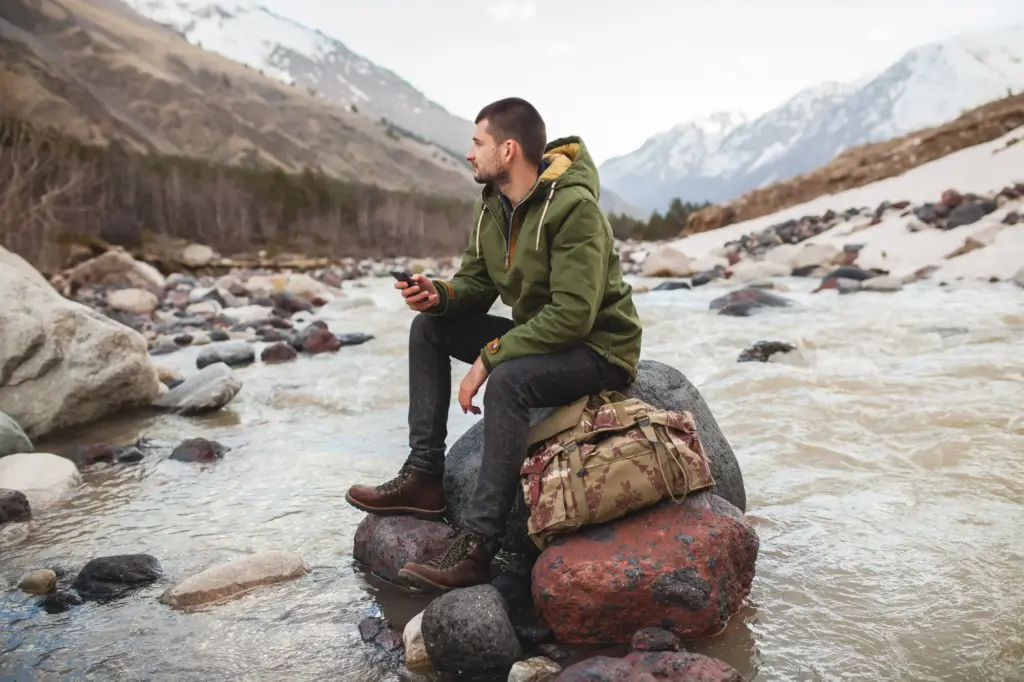
Choose gentle morning paths before layout and joinery, saving steeper switchbacks for finishing or carving sessions when decisions are fewer and attention becomes more meditative. Guides align distances with workshop goals, balancing sweat and satisfaction. A loop by the river suits sharpening days; ridge walks reward glue-up patience. The pairing turns effort into momentum, where miles walked translate into cleaner lines and calmer hearts.

Arrivals, Workbenches, and Mountain Light
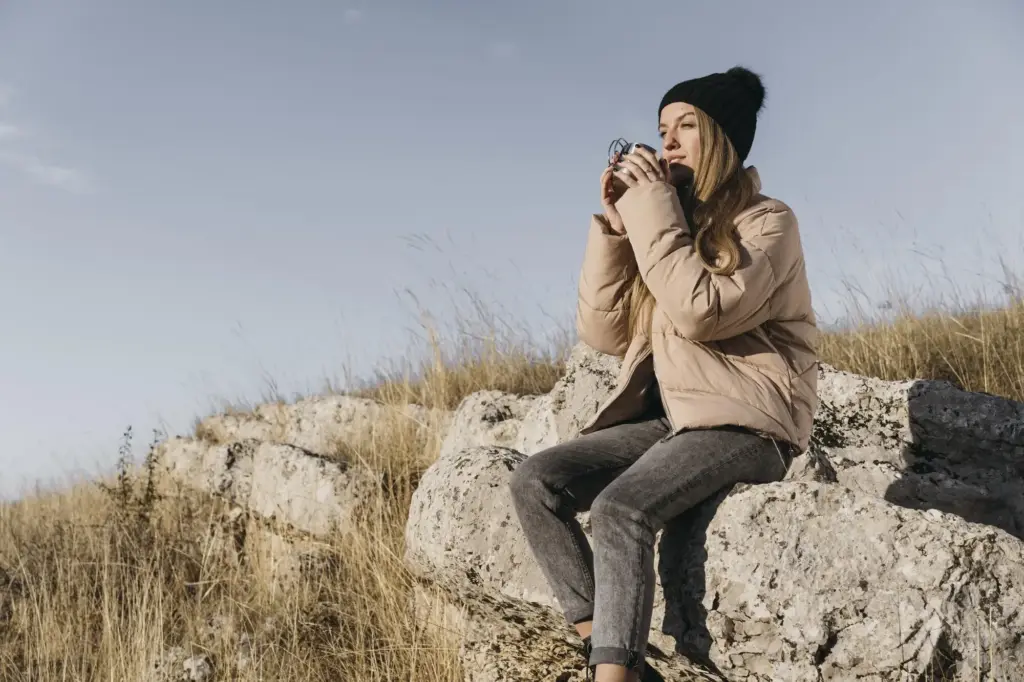
Stepping into a high-valley village, you’ll hear chisels tapping like distant cowbells and smell fresh larch mingling with alpine air. These retreats blend structured shop sessions with approachable hikes, letting the mountain’s changing light shape your rhythm. You’ll settle quicker than expected: a sturdy bench, a welcoming guide, and pathways leading toward inspiration, not pressure, while camaraderie builds over simple meals and shared discoveries.

Alpine Woods and Sensory Learning

Local species become teachers. European larch offers strength and a resin scent that lingers on fingertips; spruce planes lightly with a bell-like tap under the chisel; Swiss stone pine carves with buttery ease and whispers of citrus. Hikes expose bark, cones, and wind-scoured silhouettes that deepen material intuition. Back at the bench, you’ll recognize grain stories your eyes alone once missed, refining design choices naturally.

Technique Sessions Framed by Short Hikes

Skill-building thrives when bracketed by movement. Morning joinery demands clarity; a gentle ascent afterward resets posture and perspective. Afternoon shaping becomes focused, almost musical, as legs hum pleasantly from the trail. This cadence prevents overthinking and burnout, turning practice into playful repetition. Instructors pace demonstrations around weather windows, ensuring miles and methods reinforce each other rather than compete, and progress sneaks up like a friendly shadow.

Safety, Pace, and Sustainable Practice

Respect for mountains and materials builds longevity. Leaders share weather patterns, altitude considerations, and how to choose appropriate distances for mixed experience groups. In the shop, hearing protection, glove wisdom, and blade discipline are modeled without drama. Wood is locally sourced where possible, and offcuts become useful prototypes. Leave No Trace ethics blend with careful dust management, creating habits that protect lungs, landscapes, and the learning spirit.

Altitude, Weather, and Wise Decisions

Even modest elevation changes can alter effort and judgment. Guides encourage hydration, layered clothing, and open conversations about pace. Plans flex with clouds, not pride. A blue morning can hide afternoon squalls, so routes include gentle exits and sheltered pauses. The result is comfort and continuity: you return to the bench refreshed rather than drained, ready to continue projects without aches overshadowing curiosity or craftsmanship.

Hands, Hearing, and Respect for Edges

Good technique protects more than projects. Pushing chisels with locked wrists, securing workpieces properly, and keeping edges keen reduce slips. Hearing protection becomes as normal as lacing boots. Instructors demonstrate safe stances, then repeat them until they feel friendly. You’ll leave with fingers intact, shoulders relaxed, and a sharpened awareness that safety is not a detour from creativity but the clearest path into it.

Stories from the Bench and the Trail
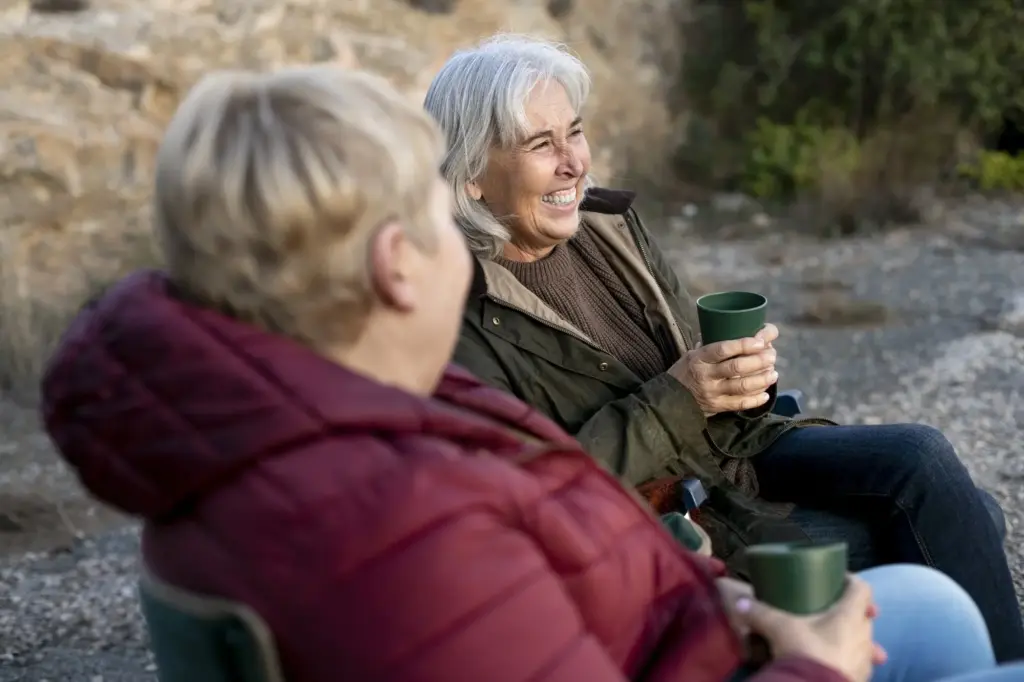
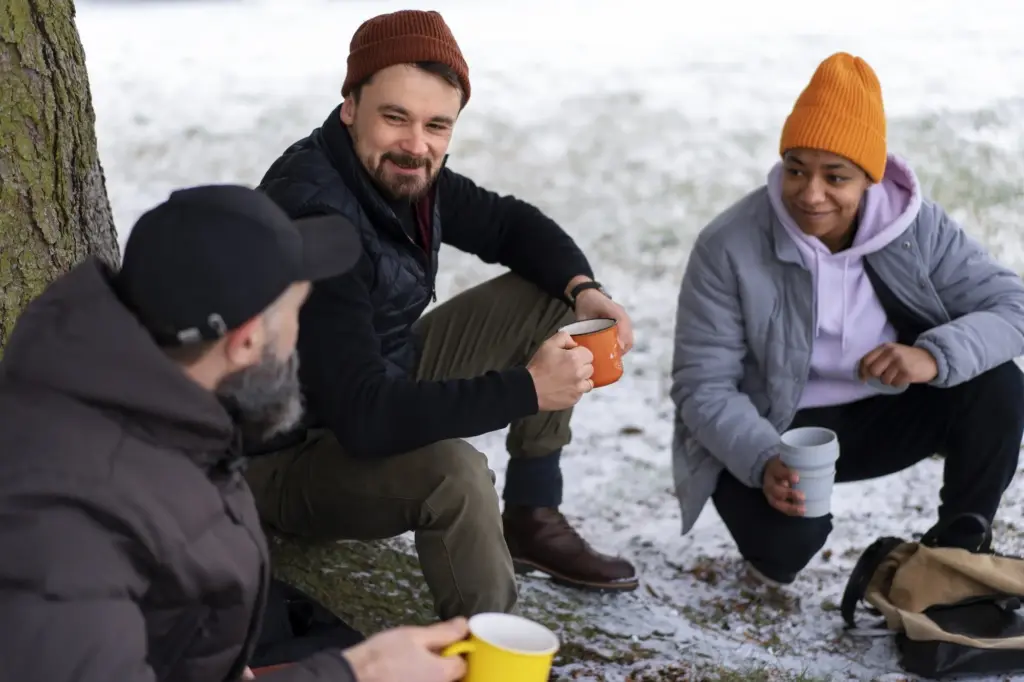
Narratives glue memories better than clamps. A nervous beginner finds flow while planing under bells and distant thunder; a seasoned hiker learns to slow hands the way they once learned to pace breath. Friendships form during sanding sessions and switchbacks alike. Around the table, tales of miscuts become laughter, and small triumphs—flush joints, steady footing—turn into durable souvenirs you can actually use every day.

Planning Your Own Alpine Craft Getaway
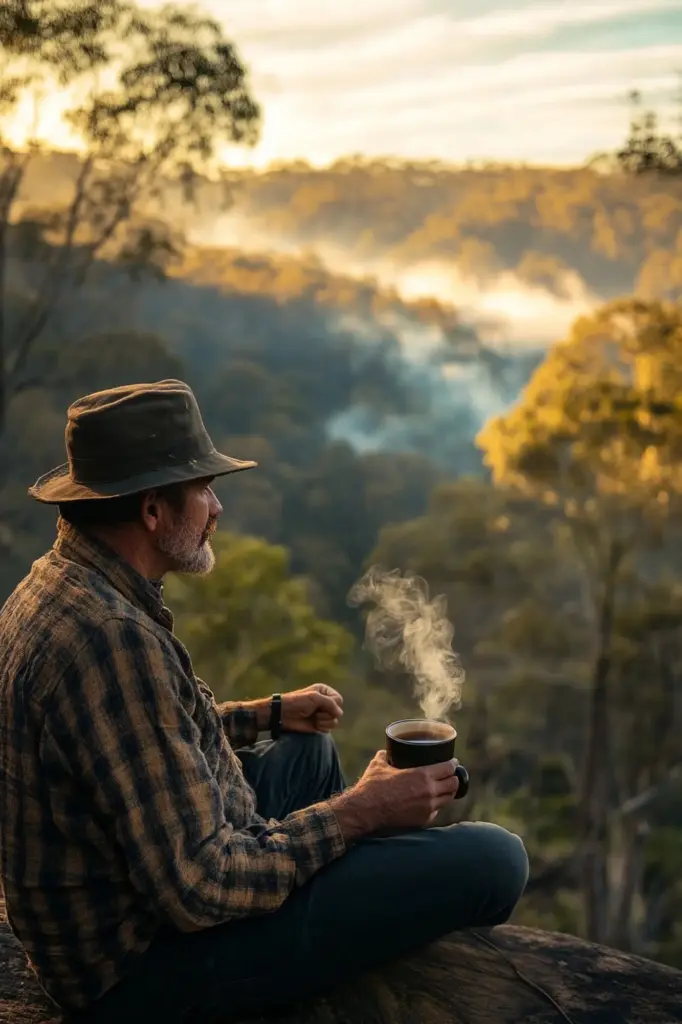
Turning intention into action starts with season and scope. Early summer brings wildflowers and long light; autumn offers calm trails and golden larch. Book huts or village rooms near quiet workshops, confirm tool availability, and build in rest days. Budget for instruction, materials, and transit. Most of all, plan to share your progress afterward, inviting feedback that deepens learning and widens the circle of makers.
Siralorikirapentolumaviro
Privacy Overview

This website uses cookies so that we can provide you with the best user experience possible. Cookie information is stored in your browser and performs functions such as recognising you when you return to our website and helping our team to understand which sections of the website you find most interesting and useful.